TL;DR
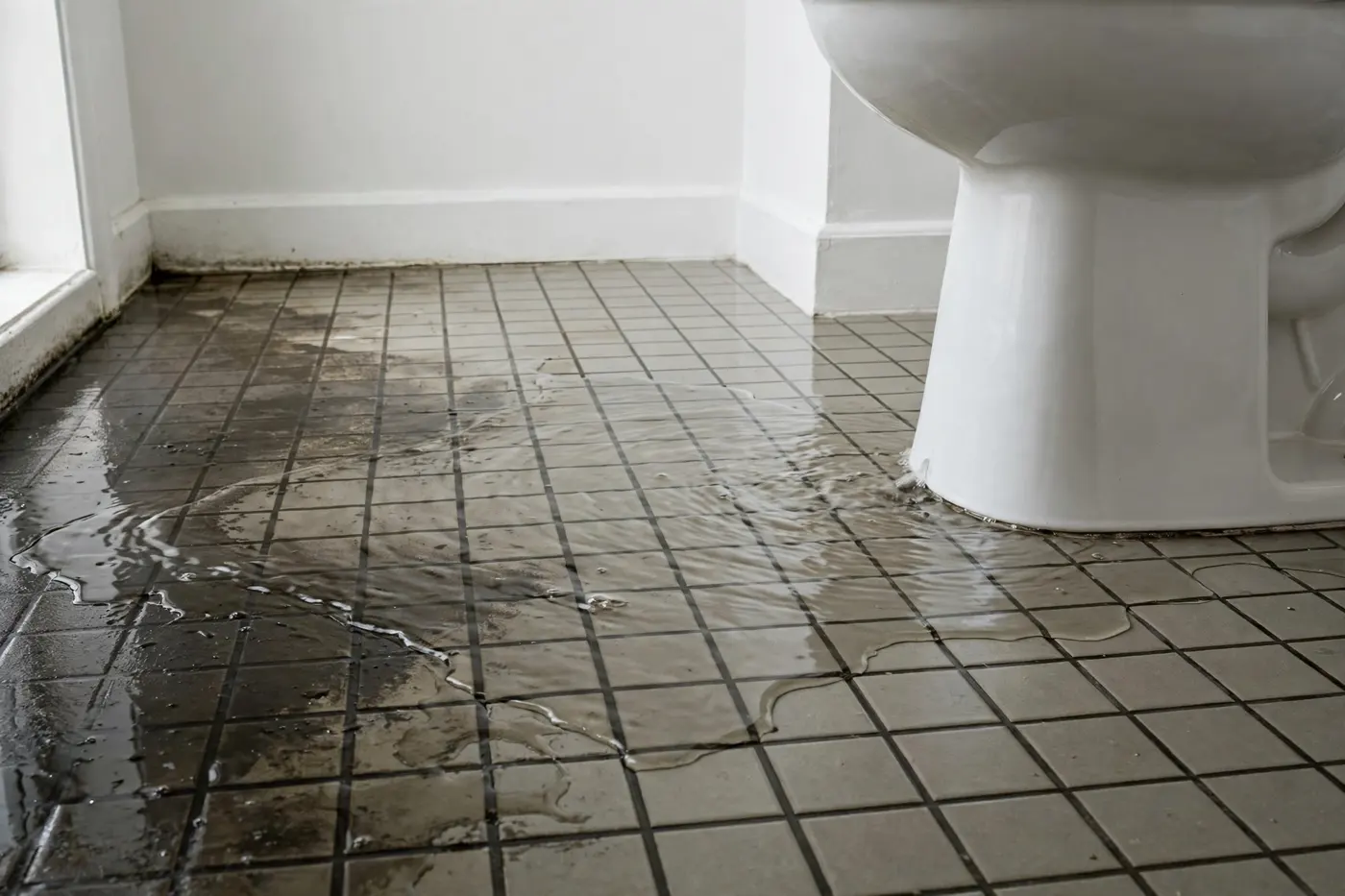
Problem: Water is rising, leaking, or running, and you need it stopped at the toilet — fast, and without flooding the bathroom.
Solution: Reach behind the toilet to the wall valve, turn a multi-turn handle clockwise until it stops (or a quarter-turn handle across the pipe), then flush to confirm the tank stops filling.
When to call: Call a local specialist if the valve is stuck, spins without stopping flow, or weeps at the stem. Call (714) 410-0362 during open hours.
In this guide
Every toilet repair starts with the same skill: shutting the water off at that toilet. It is also the skill you need in the worst moment — a supply line leaking, a tank that will not stop filling, water climbing toward the rim. The valve is small, it sits low behind the bowl, and in many Fountain Valley homes it has not been touched in years, which is exactly why it can surprise you when you finally need it. Learn where yours is and test it on a calm day, and you will never have to hunt for it during a leak.
This guide shows how to find the valve, how each valve type turns, how to confirm the water is truly off, what to do when the valve is stuck or worn, and how valve replacement works when the old one can no longer be trusted.
Find the valve and identify its type
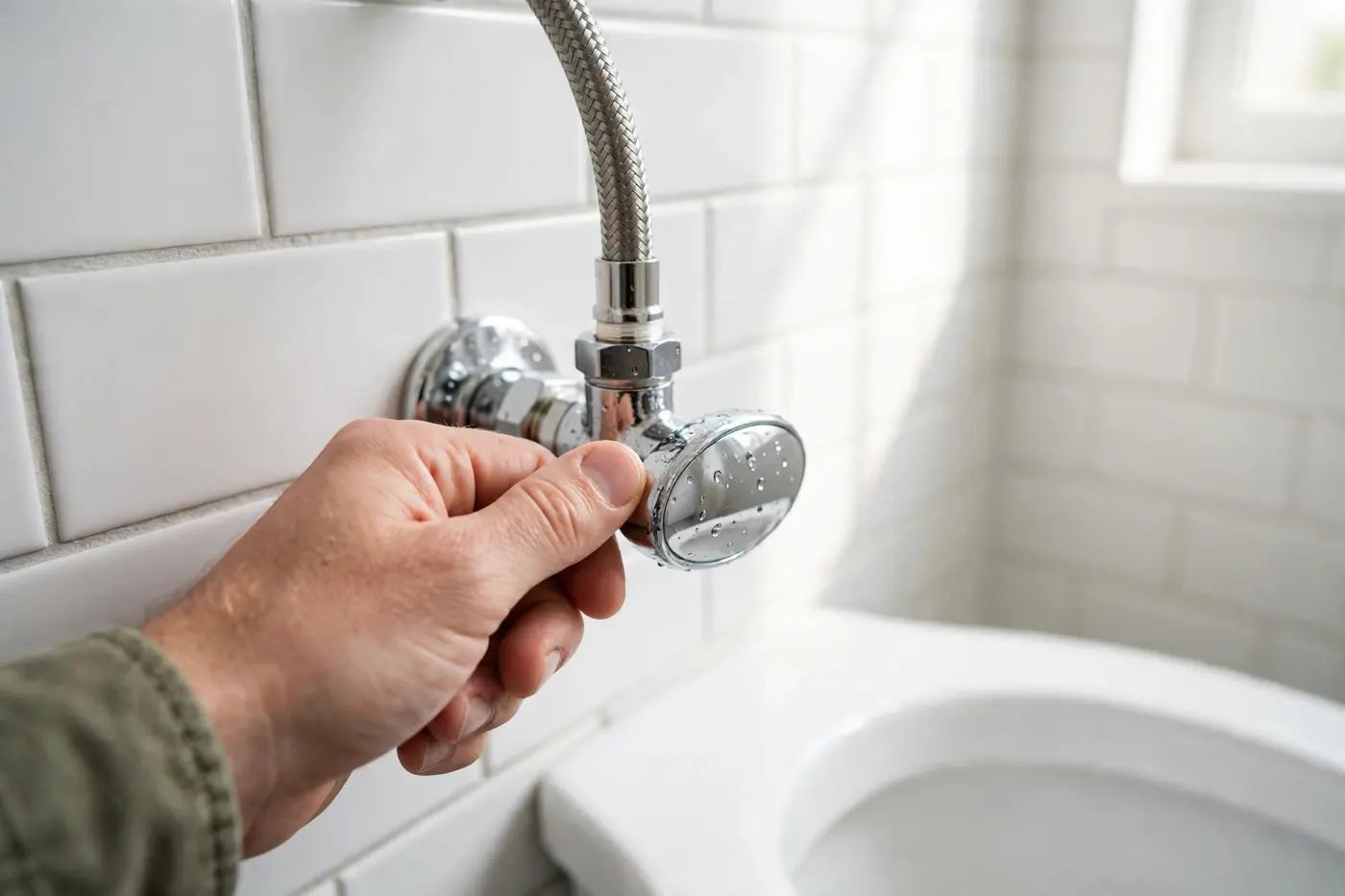
Crouch beside the toilet and look at the wall or floor low behind the bowl, usually on the left side as you face the toilet. You will see a pipe stub coming out of the wall or floor, a valve body, a handle, and a supply line running up to the bottom of the tank. Two handle types cover nearly every home. A multi-turn valve has a round or oval handle that spins several turns, like an outdoor hose spigot. A quarter-turn valve has a flatter lever handle that moves just ninety degrees. Quarter-turn valves are the modern style and tend to keep working after long idle periods. Multi-turn valves use a washer that compresses to seal, and that washer hardens and the stem corrodes when the valve sits untouched — the root of most stuck-valve stories.
Step-by-step: shutting the water off
Clear access and put a towel down
Move anything stored beside the toilet out of the way and lay a towel under the valve area. If water is actively leaking, the towel buys you a dry grip and protects the floor while you work. Keep a small bucket or container within reach in case the supply line drips when disturbed.
Turn the handle to close
For a multi-turn valve, turn the handle clockwise — to the right — until it stops with firm hand pressure. For a quarter-turn valve, rotate the lever so it sits across the pipe, perpendicular to the supply line direction. Use your hand only. A valve that needs a wrench to close is a valve that needs replacing, and forcing it mid-leak can break the stem and turn a small leak into an open pipe.
Flush to confirm the water has stopped
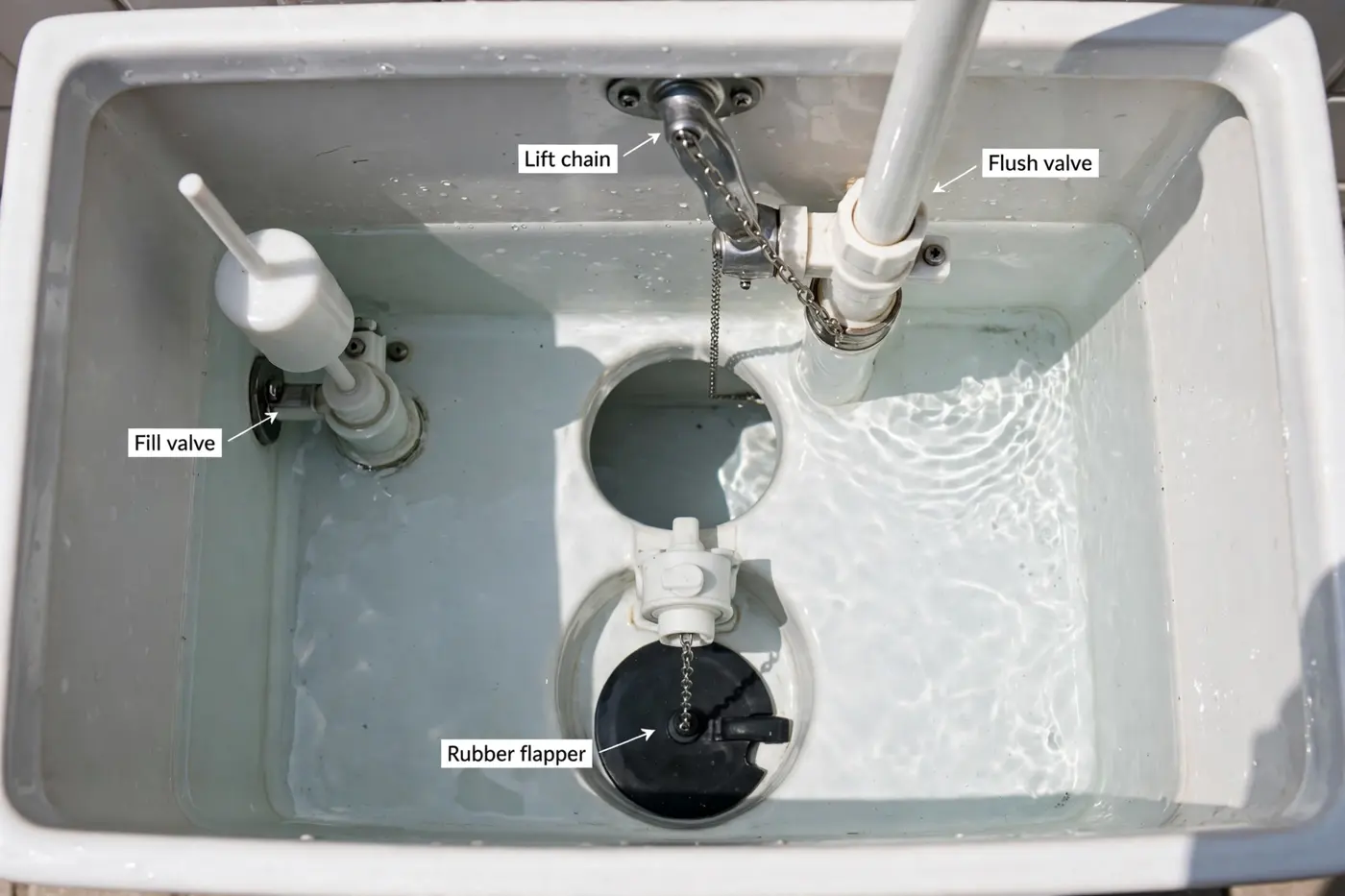
Flush the toilet. The tank should empty into the bowl and then stay empty — no refill sound, no rising water. Watch for a full minute. A slow trickle of refill means the valve is passing water past a worn washer. No refill at all means you have a true shut-off, and any tank or supply work can proceed without water pressure behind it.
Drain the last pressure before opening any fitting
After the flush, hold the handle down once more to let the flapper drain what remains, and expect a small amount of water to remain in the tank bottom below the flush valve. If you are about to loosen the supply line at the tank, keep the bucket under the connection — the line and valve body hold a cup or so of water that will come out when the fitting opens.
Turn the water back on slowly when work is done
Open the valve counter-clockwise in stages rather than all at once. A slow open avoids a pressure surge into the fill valve and lets you watch the supply connections for drips as pressure builds. Check the valve stem, both ends of the supply line, and the tank connection with a dry hand or a tissue — tissue shows moisture you might not feel. Leave the area dry and check once more after the first full fill.
When the valve is stuck or will not seal
A valve that has sat open for a decade often resists its first turn. Work it gently: small turns back and forth, a bit further each time, letting the threads clear. Rust-loosening oil on the stem can help a multi-turn valve. What you must not do is clamp pliers on the handle and lean on it — stems snap, and a snapped stem on a pressurized stub-out is a genuine flood risk until the house main is closed.
The other failure is quieter: the handle turns and stops, but the tank still fills slowly. The internal washer has hardened or split, so the valve closes on paper only. Note it, use the house main for any urgent work, and schedule the valve swap. A shut-off valve is a safety device. One that does not shut off is worse than none, because it gives you false confidence at the exact moment you rely on it. Test every toilet valve in the house once a year — close it, flush, confirm, reopen — so each one stays willing to move.
The house main: your backup shut-off
If the toilet valve fails during active leaking, go straight to the house main. On most Fountain Valley homes the main valve sits near the front of the house where the service line enters — often by the front hose connection — and there is also a valve at the water meter near the street. Closing the house main stops flow to every fixture, which ends the emergency and lets you mop up in peace. Open a faucet somewhere in the house after closing the main to drain pressure from the lines. Then the toilet valve can be replaced without time pressure. If you have never located your main, find it this week, while nothing is leaking, and make sure everyone in the house knows where it is.
Replacing a worn shut-off valve
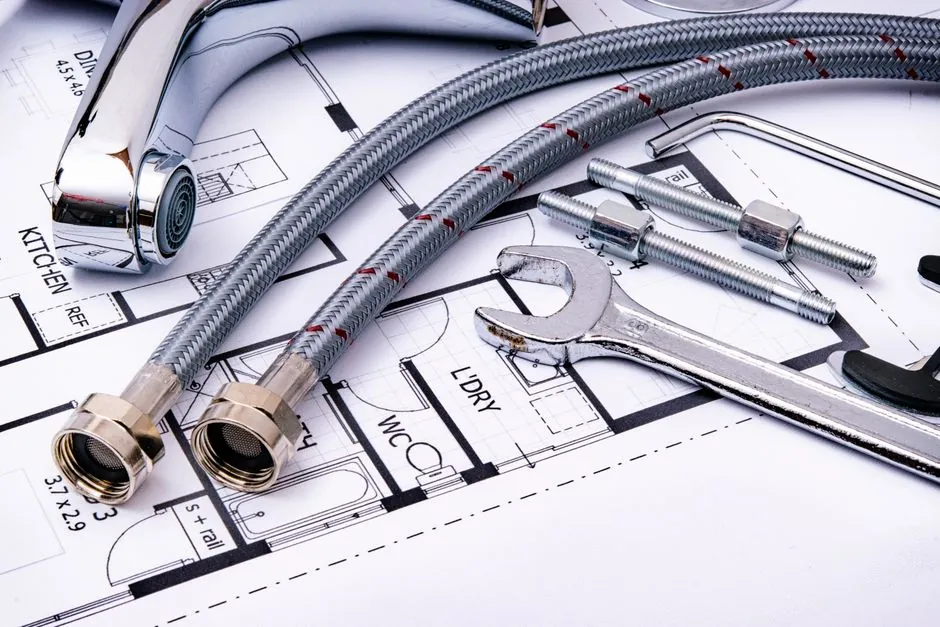
Valve replacement is wall work, which is why it sits past the DIY line for most households. The technician checks the stub-out pipe first — its material, its condition, and whether the old valve is threaded, soldered, or compression-fitted — because that decides how the old valve comes off and what the new one needs. The water is shut at the main, the line is drained, the old valve comes off, and a new quarter-turn valve goes on. The supply line is inspected at the same visit; a line with a cracked nut, a bulging section, or heavy corrosion at its fittings should be renewed while everything is apart, since it is the other half of the leak risk behind the toilet. After fitting, the technician opens the main slowly, cycles the new valve several times, and checks every joint dry.
Stop point: never force a stuck valve, and never loosen a supply fitting until you have confirmed a true shut-off with the flush test. If the valve fails either test, use the house main and call for supply line and shut-off valve replacement. See the areas we serve page for coverage across Fountain Valley and nearby cities.
Teach the household before you need it
A shut-off valve only helps if the person standing in the water knows where it is and which way it turns. Walk everyone in the house through it once, on a dry day: valve location behind each toilet, direction to close, and the flush test that proves it worked. Tape a small note inside the bathroom cabinet with the house main location as well, because guests and older kids will not remember a tour given months earlier, and a note does not panic.
Then make the yearly test a habit tied to something you already do — when you change smoke alarm batteries, cycle each toilet valve closed and open once. Valves that move every year rarely seize. Valves that sit for a decade often do. If one turns stiffly during the calm yearly test, that is the time to note it and plan its replacement on a weekday, with the floor dry and no water moving — not during the leak that finally forces the issue. The same calm test applies to the house main: find it, confirm it turns, and confirm the household can reach it in the dark with a flashlight, because leaks do not schedule themselves for convenient hours.
Questions about toilet shut-off valves
Which way do I turn a toilet shut-off valve to close it?
Turn a round or oval multi-turn handle clockwise until it stops — right to close, left to open. A quarter-turn valve has a lever-style handle: turn it so the handle sits across the pipe rather than along it, which is a quarter turn from open to closed. After closing, flush the toilet and watch the tank to confirm the water has actually stopped.
What should I do if my toilet shut-off valve will not turn?
Do not force it with a wrench. Old multi-turn valves seize from mineral buildup, and excess force can snap the stem or start a leak at the wall. Work the handle gently back and forth in small moves first. If it stays stuck, shut water off at the house main for any urgent work and call a technician to replace the valve.
Why does water still enter the tank after I close the toilet shut-off valve?
The valve is worn inside and no longer seals fully, which is common on older multi-turn valves that sit untouched for years. The tank fills slowly even with the handle closed. That valve should be replaced, because a shut-off that does not shut off leaves you without a way to stop water during a leak or overflow.
Where is the main water shut-off if my toilet valve fails during a leak?
Most Fountain Valley homes have a main valve near the front hose connection or where the water line enters the house, and there is also a meter valve at the street. Closing the house main stops water to the whole home. Use it when a toilet valve fails during active leaking, then call for valve replacement during open hours.
When should a toilet shut-off valve be replaced rather than repaired?
Replace the valve when it will not fully close, weeps at the stem when turned, has heavy corrosion on the body, or has a handle that spins without changing the flow. A technician checks the supply line connection and the pipe stub at the wall first, swaps the valve for a quarter-turn style, and the scope is confirmed with you before any work starts.