Fountain Valley's Toilet-Only Repair Specialists
📞 Call Now — (714) 410-0362Clogs, leaks, running toilets, weak flushes and full replacements — handled by local specialists who work on toilets all day, not generalists who fit them in between other jobs.
What is your toilet doing?
Pick the symptom that matches. Each one leads to the service page that explains the likely causes, the checks you can do yourself, and the point where a visit makes more sense than another try.
It keeps clogging
One flush is never enough, or the plunger lives next to the bowl now.
Clogged toilet repair →It won't stop running
Water trickles for minutes after every flush, or the tank refills on its own.
Running toilet repair →Water at the base
A damp ring, a soft spot in the floor, or a stain that keeps coming back.
Toilet leak repair →It is overflowing
Water rising toward the rim is a shut-the-valve-first problem.
What to do first →It won't flush properly
The handle works, the bowl swirls, but nothing really clears.
Read the causes →It gurgles or bubbles
Strange noises from the bowl usually mean air is moving the wrong way.
What noises mean →It rocks or wobbles
A loose toilet is a seal problem waiting to become a floor problem.
Wax ring & reset →There is a sewer smell
Odor around the base often points at the wax seal or a dry trap nearby.
Find the source →The tank won't fill
Slow filling, hissing, or a tank that stays empty after a flush.
Fill valve help →The handle is broken
Loose, stuck, or snapped flush handles and the chains behind them.
Parts repair →The seat is cracked or loose
A shifting seat is a five-minute annoyance that never fixes itself.
Seat replacement →It can't wait
Overflow, sewage odor, or the only toilet in the house is down.
Urgent help →Every toilet service, under one number
Nine repair services cover nearly everything a toilet can do wrong. Four more pages handle seats, bidets, wax rings and supply lines — the smaller jobs that general plumbers often push to the bottom of the list.
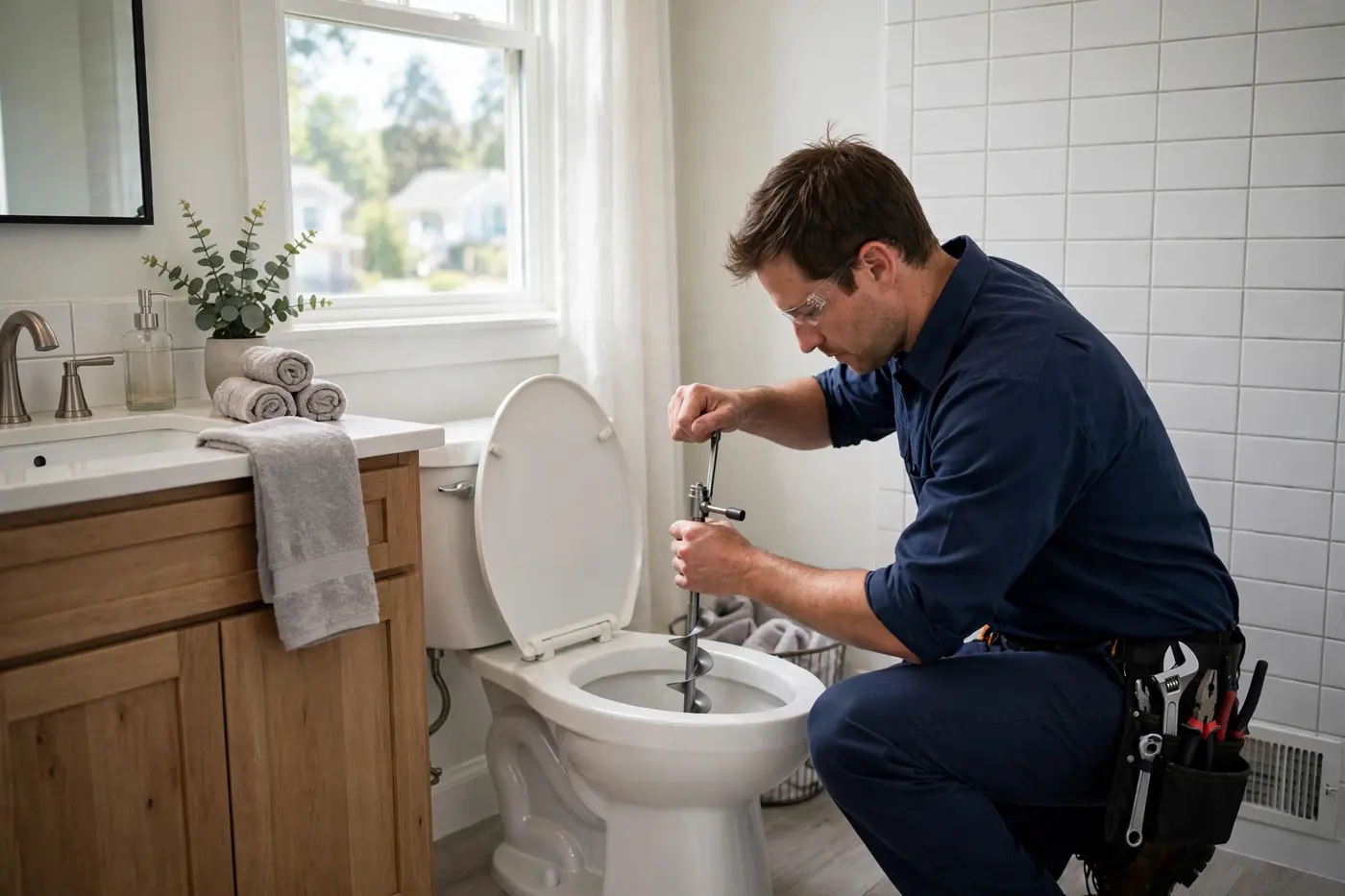 Clogged Toilet
 Running Toilet Repair
 Toilet Leak Repair
Toilet Replacement
Toilet Installation
 Parts Repair
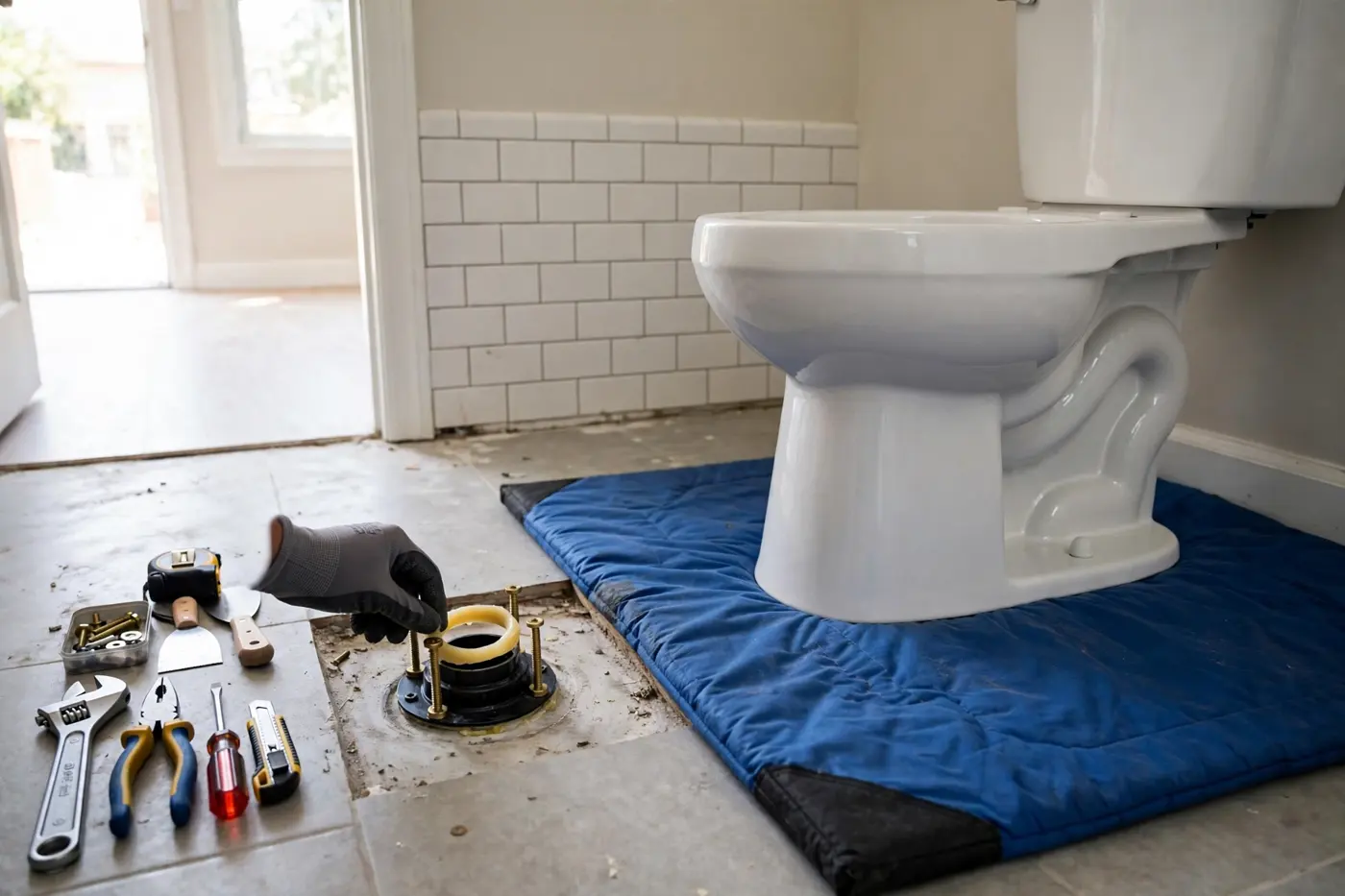 Flange Repair
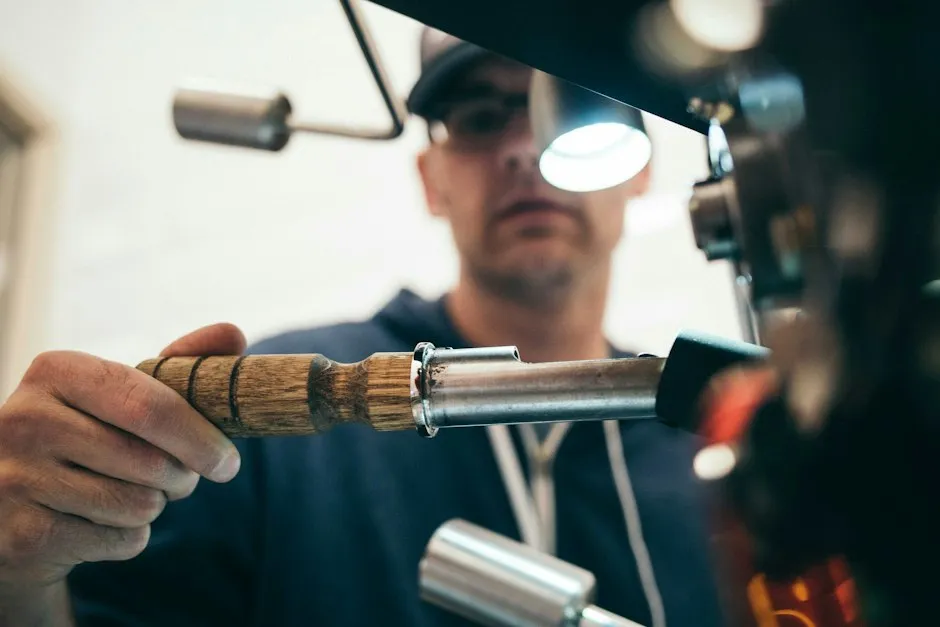 Fill & Flush Valve
 Urgent Repair
Not sure which one fits? The full services page explains each job in plain language, and the Fountain Valley toilet repair page pulls the whole picture together for local homes.
From phone call to tested flush
No forms and no waiting for a callback window. The process is a phone call, a confirmed scope, a visit, and a toilet that gets tested in front of you.
Call and describe the problem
Call (714) 410-0362 during open hours and say what the toilet is doing — running, leaking, clogging, rocking. The details you share decide what the technician brings.
Get connected to a local specialist
Toilet Repair Pro is a referral service: your job is matched with an independent local toilet technician who serves your part of Fountain Valley or the nearby cities covered below.
Scope confirmed before work starts
At the visit, the toilet is tested first — flush, fill, seal, base and supply line. The technician explains what is wrong and confirms the scope of the work with you before a single part comes off.
Repair, then test flushes together
After the fix, the toilet is flushed several times and the base, tank and connections are checked dry. You see the result before the job is treated as finished.
A specialist sees the real cause faster
Most toilet problems wear a disguise. A "clog" that returns every month is often a jet problem or a drain-line problem. A "leak" blamed on the tank is often the wax seal at the floor. A toilet that "just needs a part" sometimes needs the flange rebuilt underneath it. A technician who works on toilets every day has seen each of these patterns hundreds of times and tests for the cause, not just the symptom.
That focus also keeps visits simple. The common parts — flappers, fill valves, flush valves, wax rings, supply lines, seats and handles — are standard stock on a toilet specialist's truck, so most repairs finish in the same visit instead of turning into a parts run and a second appointment.
Fountain Valley adds its own twist. The city's water is hard, and hard water eats rubber flappers, coats fill valves and chokes rim jets year after year. Local specialists plan for that: parts are chosen for mineral-heavy water, and jet cleaning is part of the routine check, not an afterthought.
Toilet repair in Fountain Valley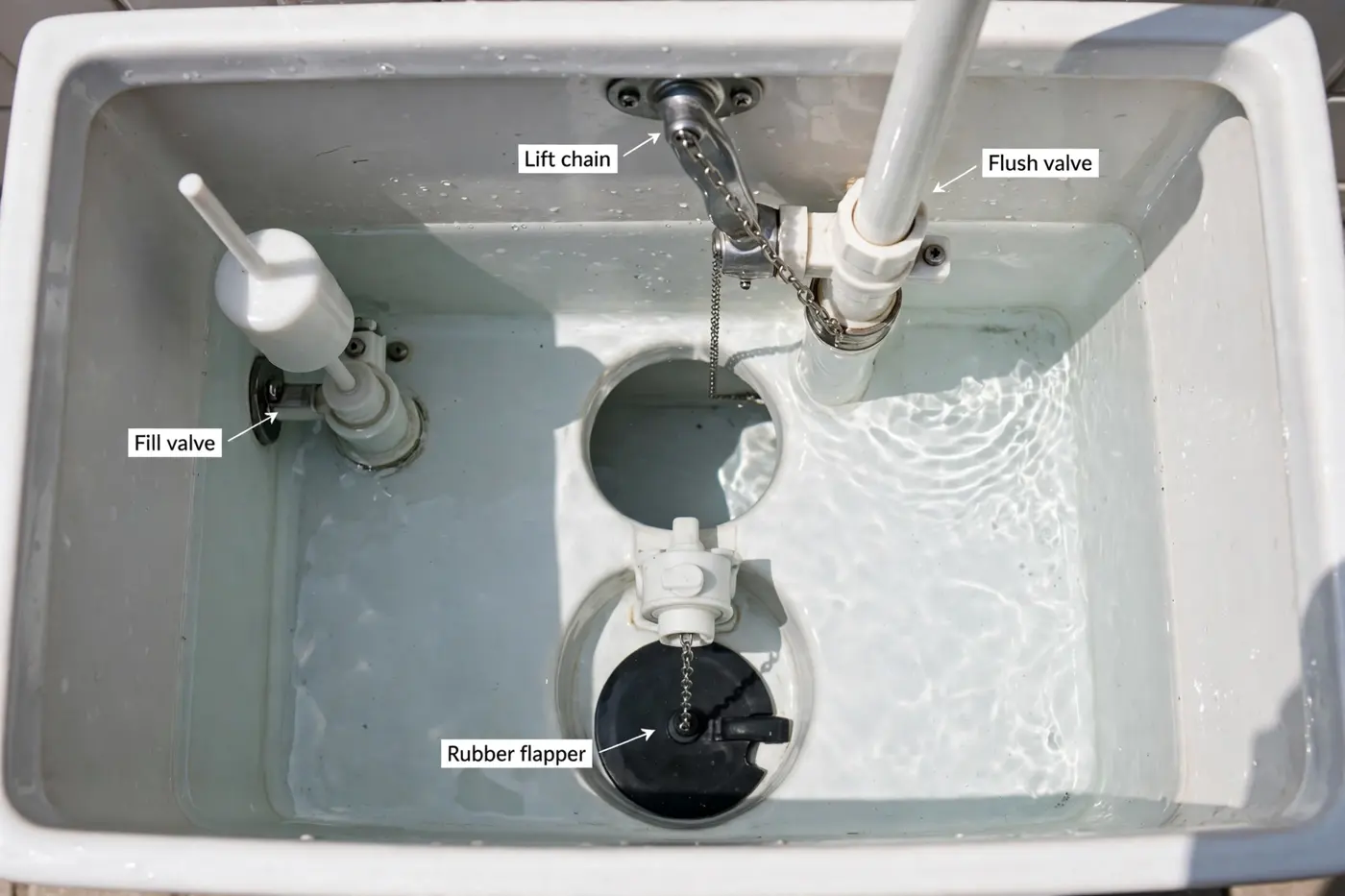
Built around Fountain Valley homes
A city of 1960s and 1970s tracts
Fountain Valley was incorporated in 1957 and filled in fast: most of its roughly nine square miles are single-family tracts built in the 1960s and 1970s. Those homes are now carrying 50- and 60-year-old cast-iron drain lines, original closet flanges, and bathrooms that have often had two or three toilets across the decades. It is exactly the age where flange height, floor condition and drain slope start to matter as much as the toilet itself.
Hard water, measured
The City of Fountain Valley's own Water Quality Report puts total hardness at about 217 parts per million — roughly 13 grains per gallon, well into the "hard" range. Mineral scale is the slow background cause behind a large share of local fill-valve failures, flapper leaks and weak, swirling flushes.
Mile Square Park at the center
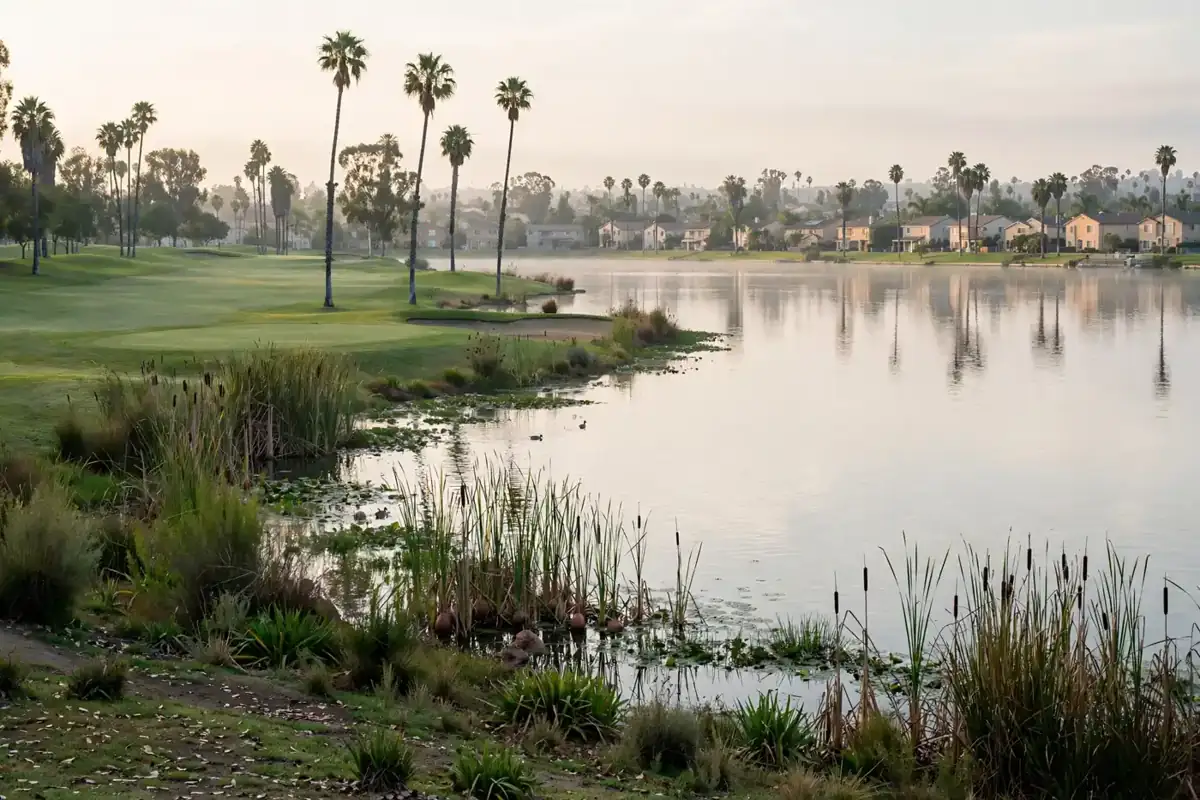
The city wraps around the 640-acre Mile Square Regional Park — Edinger Avenue to the north, Warner Avenue to the south, Brookhurst Street to the west and Euclid Street to the east — with its lakes and two golf courses. Homes on the park's edges and in the tracts beyond it share the same housing stock and the same plumbing age, street after street.
One ZIP, nine neighborhoods
Everything inside Fountain Valley is ZIP 92708, from Green Valley's greenbelts to the Brookhurst corridor's apartments. Every neighborhood has its own page below with the housing details that matter for its toilets.
Toilet repair across Fountain Valley
Each neighborhood page covers the local housing stock — tract year, home style, condo or single-family mix — and the toilet problems that come with it.
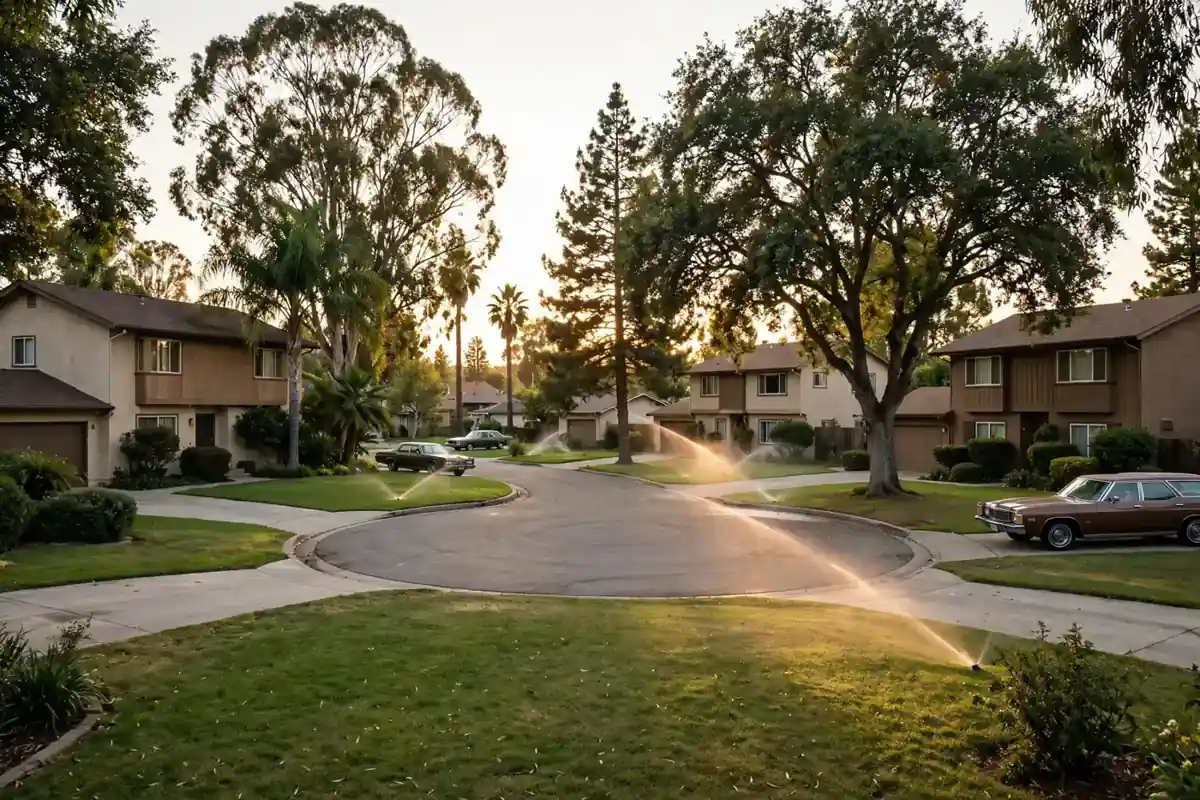
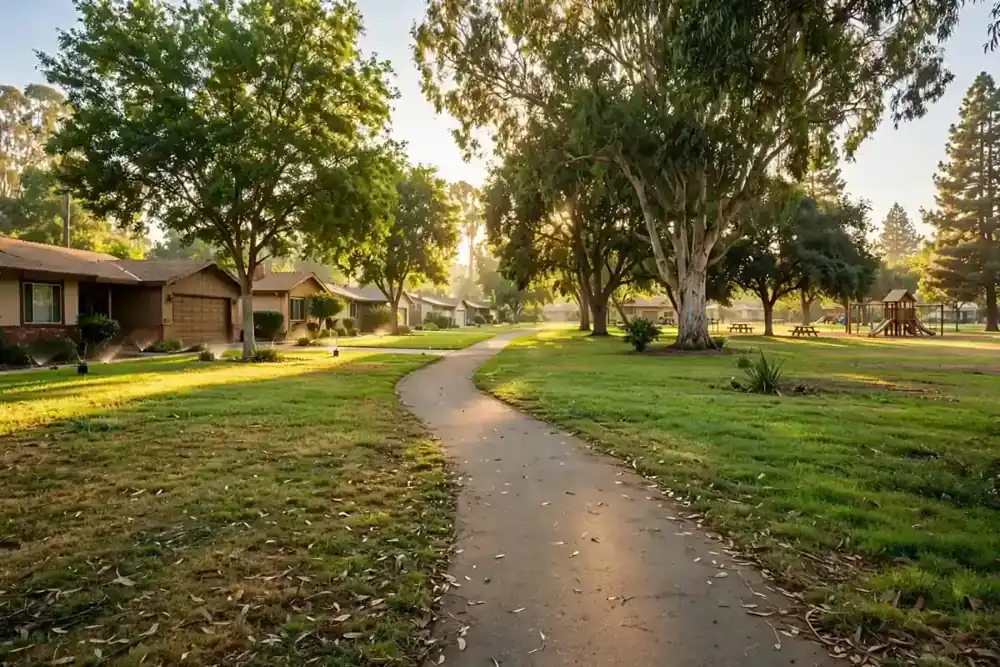
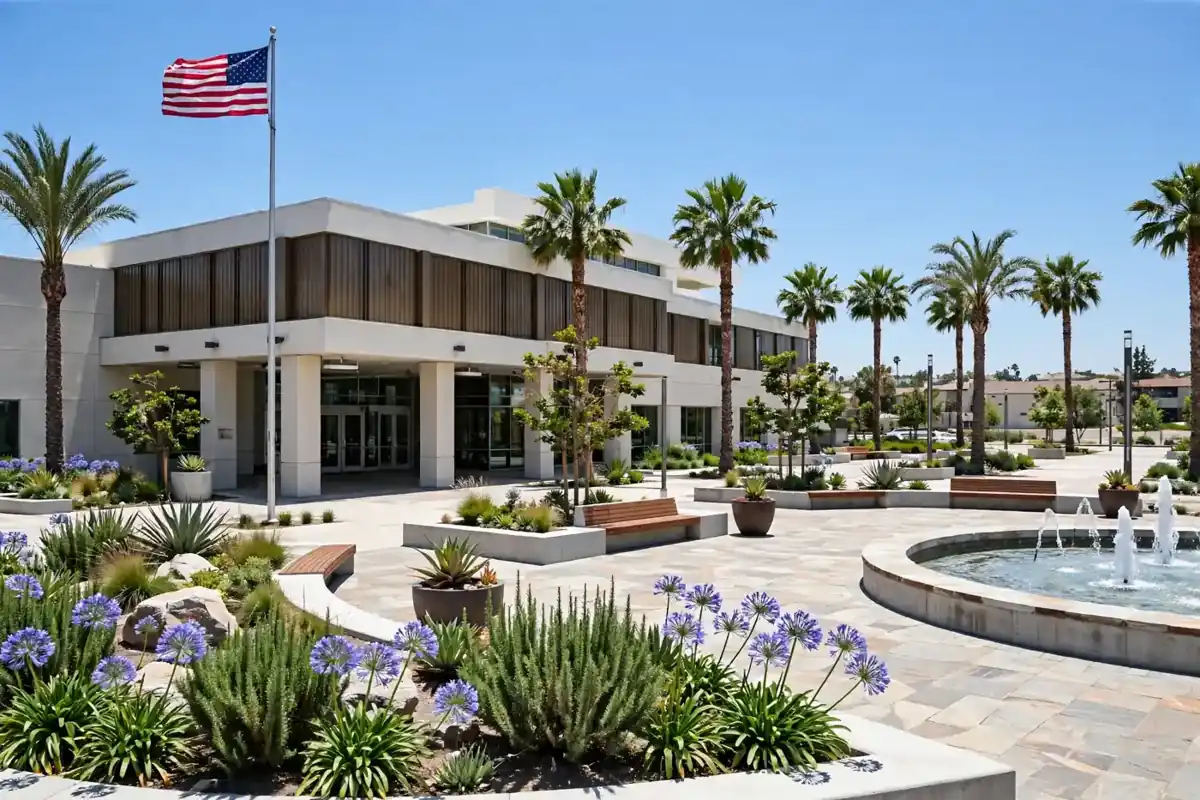
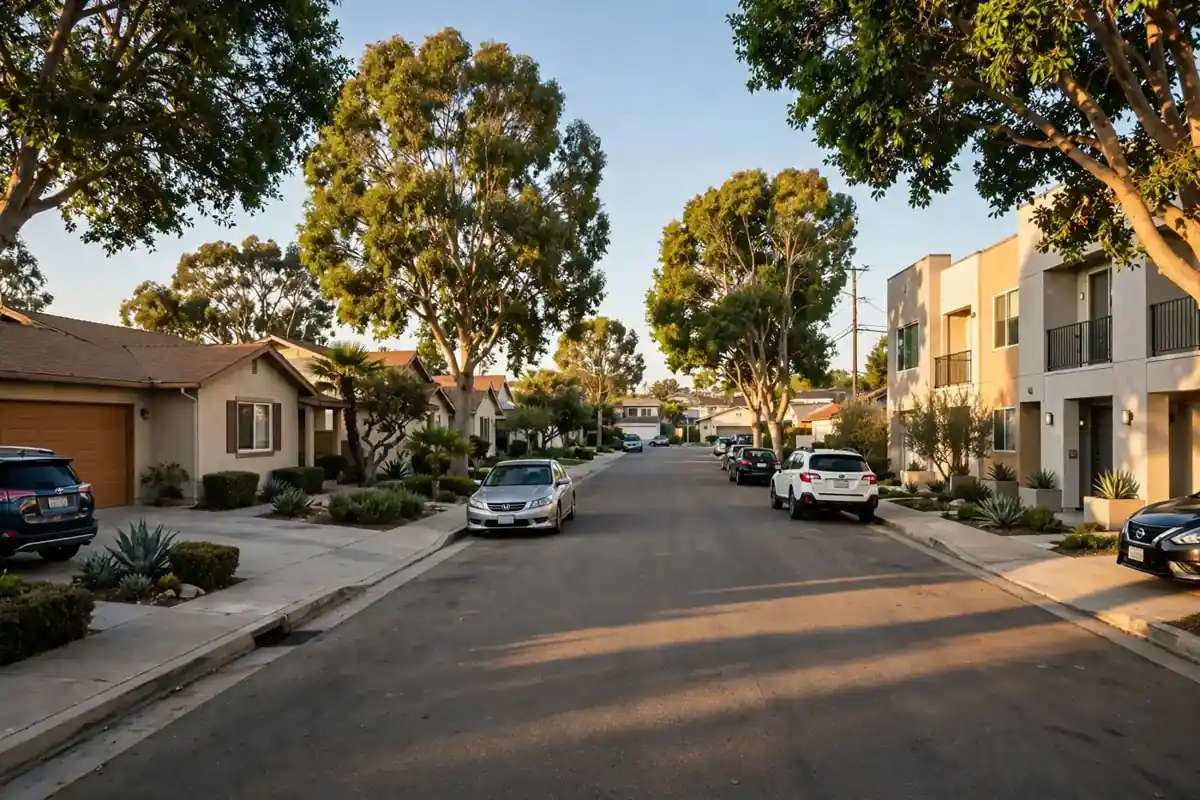
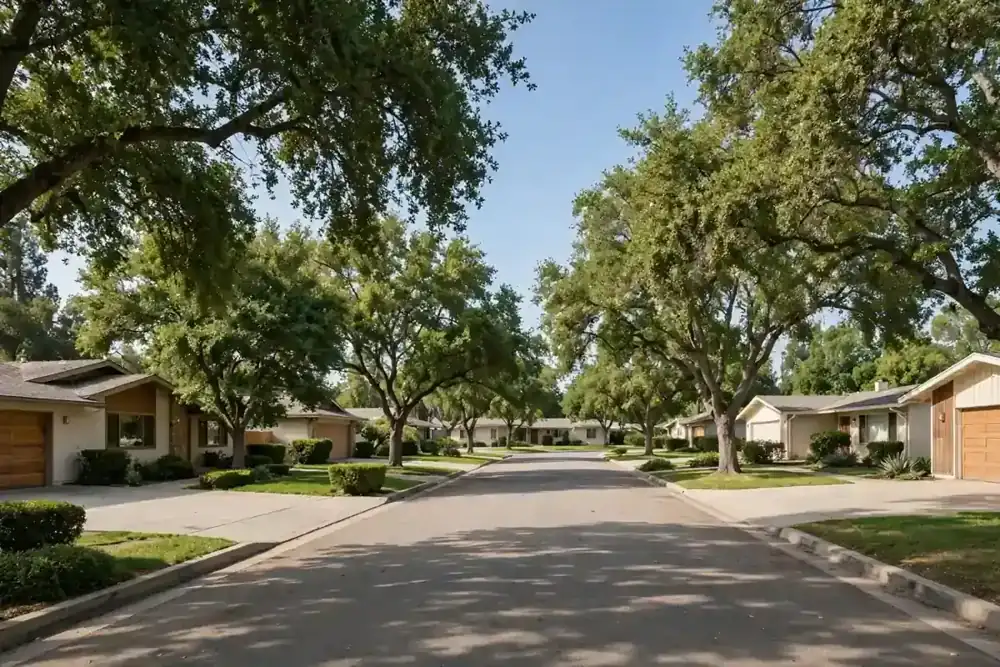
Fountain Valley, in pictures
The streets and landmarks local technicians drive every day.
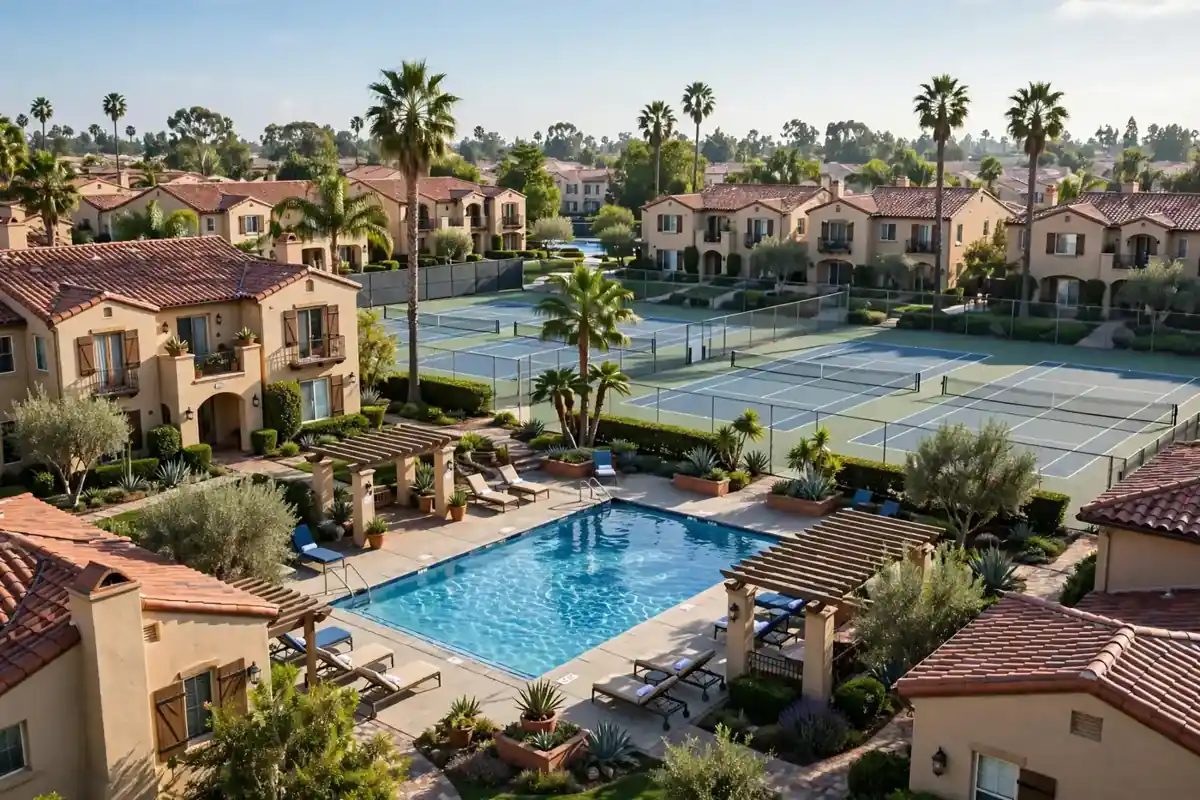


Five more cities, same toilet-only focus
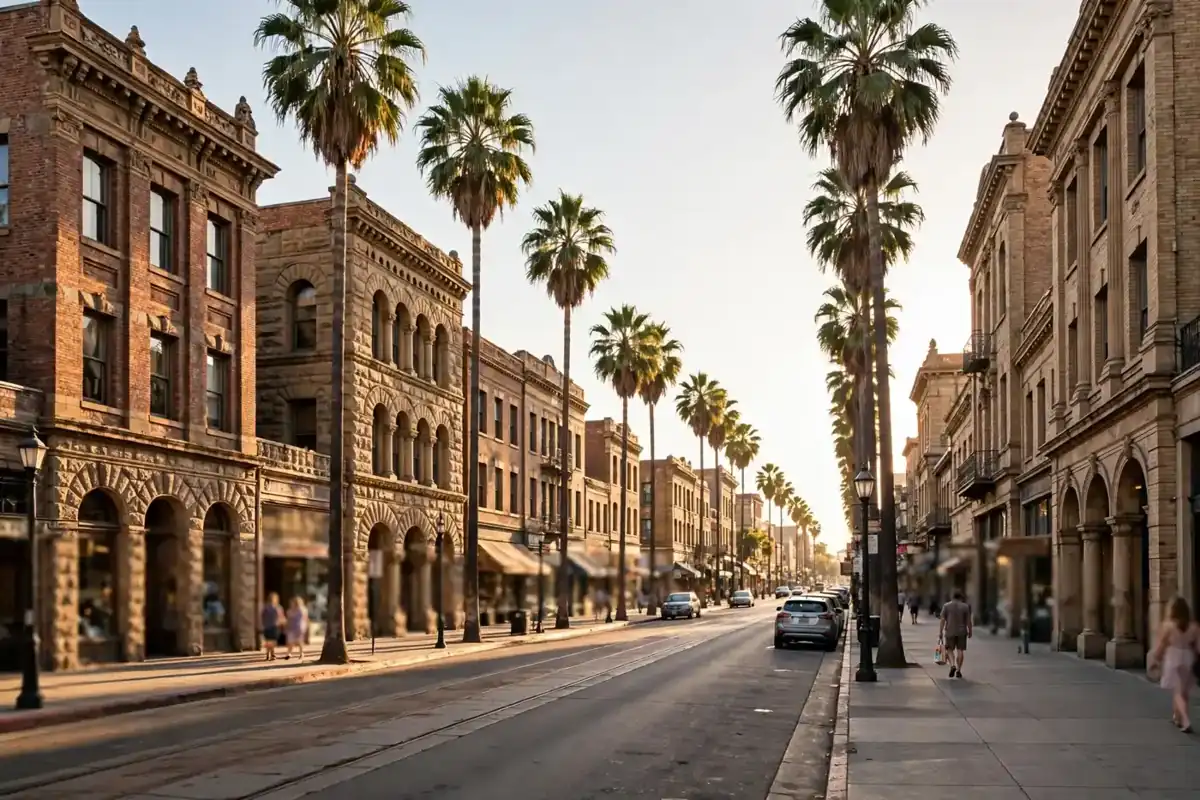
The same call also reaches homes in the five cities around Fountain Valley. Each city page covers its own housing stock — from Santa Ana's historic districts to Huntington Beach's harbour homes.




Three checks worth doing first
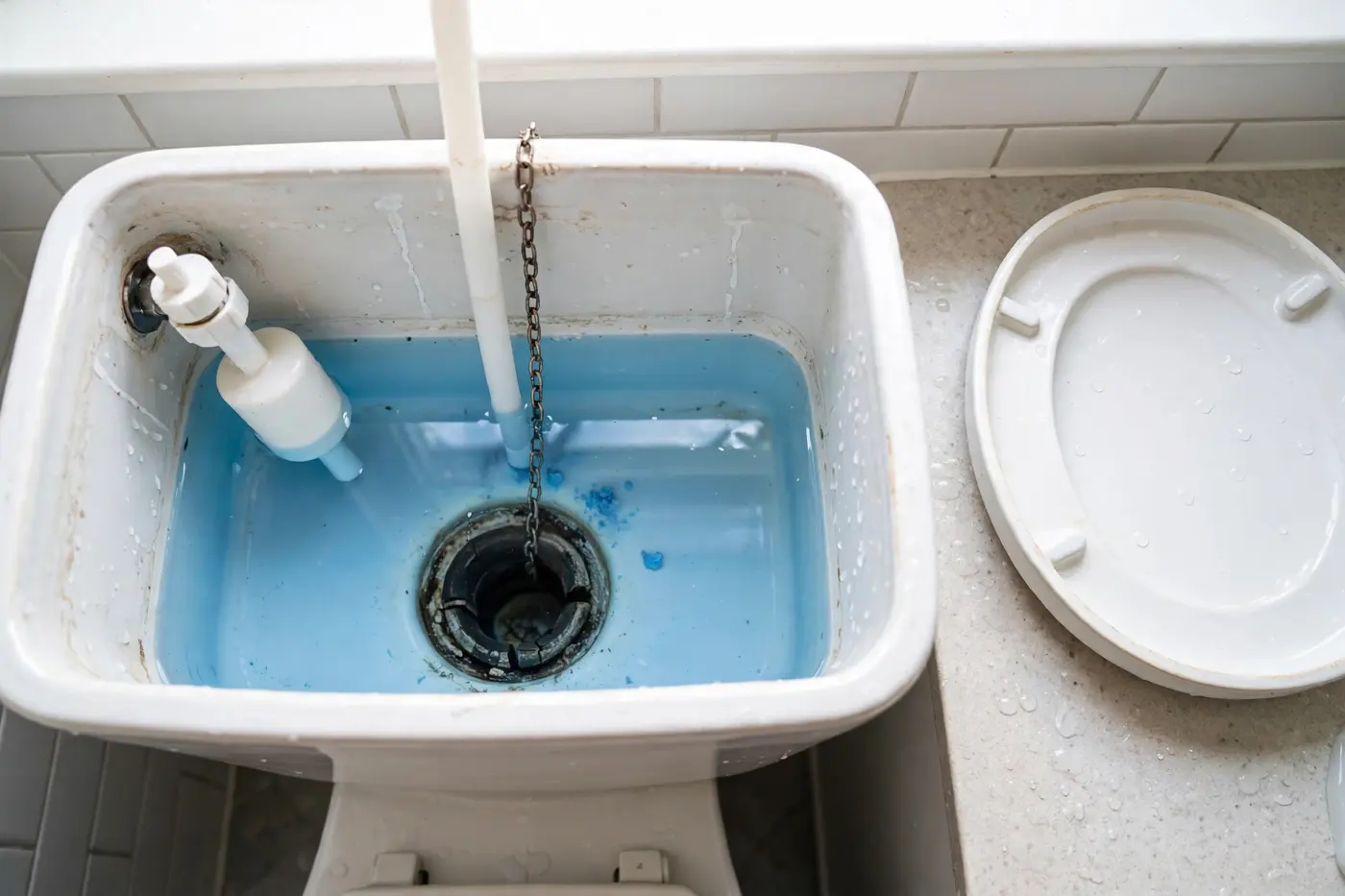
- The dye test: a few drops of food coloring in the tank, wait 15 minutes, and check the bowl. Color in the bowl means the flapper is leaking — the most common cause of a running toilet.
- The dry-paper test: press a dry tissue around the base and behind the tank. Damp paper tells you the leak is real and roughly where it starts.
- The bucket test: pour a bucket of water straight into the bowl. A strong swirl means the bowl and drain are fine and the problem sits in the tank or the rim jets.
These checks take ten minutes and they make the phone call sharper: you can describe exactly what you found. The guides section goes deeper on each one.
Fountain Valley toilet repair, answered
What kinds of toilet problems do Fountain Valley homeowners call about most?
The calls we hear most in Fountain Valley are toilets that keep running, bowls that clog again and again, water pooling at the base, weak flushes, and tanks that fill slowly or not at all. Most of these trace back to a worn flapper, a tired fill valve, a failing wax seal, or mineral build-up from the city's hard water.
How does Toilet Repair Pro work for Fountain Valley homes?
Toilet Repair Pro is a referral service. You call one number, describe the problem, and we connect your job with an independent local toilet specialist who serves Fountain Valley. The technician confirms the scope of the work with you before any repair starts.
Which Fountain Valley areas does the service cover?
Coverage is the whole of ZIP 92708: Green Valley, the Mile Square Park area, Westmont, Los Caballeros, Central Fountain Valley, Downtown Village, Park Crest, the Civic Center District and the Brookhurst Street corridor. Nearby Costa Mesa, Garden Grove, Huntington Beach, Santa Ana and Westminster are covered too.
What are the open hours for toilet repair in Fountain Valley?
Calls are taken Monday to Friday from 7:00 AM to 10:00 PM, Saturday from 8:00 AM to 10:00 PM, and Sunday from 7:00 AM to 9:00 PM. Outside those hours, shut off the water at the toilet's wall valve and call when lines open.
Can a Fountain Valley homeowner fix a running toilet without calling?
Often, yes. A running toilet is usually a worn flapper, a tangled chain, or a fill valve set at the wrong height — all reachable with the tank lid off and no special tools. Our flapper and tank guides walk through the checks. If the running keeps coming back, or water is reaching the floor, that is the point to call.
What should I do first when a toilet overflows in my Fountain Valley home?
Reach behind the bowl and turn the oval wall valve clockwise until the water stops. Lift the tank lid and push the flapper down if the bowl keeps filling. Move towels and anything stored on the floor, then call during open hours and describe what happened so the visit is planned around the real cause.
Toilet problems follow the decade your home was built
Fountain Valley was farmland until the late 1950s, and most of the city went up in two big waves of tract building. That history is not trivia — it decides what is hiding inside your tank and under your toilet's base, because each building era used different parts, different pipe materials and different bathroom layouts.
The 1960s homes
The first Fountain Valley tracts went up as the city incorporated in 1957 and grew through the 1960s. Toilets in these homes often sit on cast-iron closet flanges that have now spent six decades in contact with moisture, and the closet bolts holding the bowl down corrode a little more every year. Many bathrooms still have their original galvanized supply stubs at the wall, and the shut-off valves on them are frequently stiff or frozen. The toilets themselves, where they survive, are older high-volume models whose tanks hold far more water per flush than anything sold today — which is why a small internal leak in a 1960s bathroom wastes more water than the same leak in a newer one.
The 1970s homes
The 1970s wave built out the neighborhoods around Mile Square Park and the city's southern half. These houses came with early plastic flanges, thinner wax seals and the first generation of the tank parts still common today. A 1970s toilet that has never been pulled is likely sitting on its original wax ring, now compressed to a fraction of its first thickness. Fill valves and flappers in these bathrooms are usually on their third or fourth generation by now, and Fountain Valley's hard water has had fifty years to lay scale into the rim jets — the reason so many of these toilets flush weakly even though nothing is blocked.
1980s and newer builds
Later building filled the remaining pockets with condos, townhomes and smaller planned developments, including the shared-wall communities near Newhope Street and the Brookhurst corridor. Here the pattern changes: builder-grade seats, hinges and valves from the original fit-out are reaching the end of their working life all at once, elongated bowls are far more common, and shared drain stacks mean one unit's venting or blockage problem sometimes announces itself in a neighbor's bathroom first. Access is the other difference — upstairs condo bathrooms and tight powder rooms reward a specialist who plans the work before the toilet moves.
The guest bathroom effect
Low-use toilets fail quietly. A flapper in a guest bathroom stiffens in exactly the shape it sits in, seals dry out, and the fill valve's seals harden — then a houseful of holiday guests puts the bathroom into full-time service and three small problems surface in the same weekend. If a spare bathroom has not run for months, flush it a few times a week before guests arrive; a toilet that misbehaves on a quiet Tuesday is a far easier fix than one that misbehaves on a holiday morning.
Why the call asks your home's age
It is not small talk. The decade tells the technician which flange type is probably under the bowl, which supply fittings the wall likely holds, and which parts belong on the truck before the drive over. A Fountain Valley call that starts with the home's age, the bathroom's location in the house and the symptom in plain words usually reaches the diagnosis faster than any other kind — and faster diagnosis is what turns most of these jobs into a single visit.
What the first five minutes of a visit look like. Nothing comes apart first. The technician flushes the toilet and watches a full cycle, lifts the tank lid and reads the water line against its mark, checks the base for movement with a knee, and looks at the supply valve before touching it. Most toilet problems identify themselves inside those five minutes, because a toilet is a small system with a short list of ways to fail. The repair that follows is then a known job with a known sequence — the part comes off, the sealing surface gets cleaned and inspected, the new part goes on, and the toilet runs through several full cycles before anyone calls it done. If the first look turns up something bigger underneath — a flange sitting below floor level, a floor that moves underfoot — that is said out loud at the start, with the options laid out, not discovered silently halfway through.
One call, and the toilet is handled
Lines are open Mon–Fri 7:00 AM–10:00 PM, Sat 8:00 AM–10:00 PM and Sun 7:00 AM–9:00 PM. Describe the problem and get connected with a local toilet specialist.
📞 Call Now — (714) 410-0362 Prefer email? info@toiletrepairfountainvalleyca.com