Quick answer
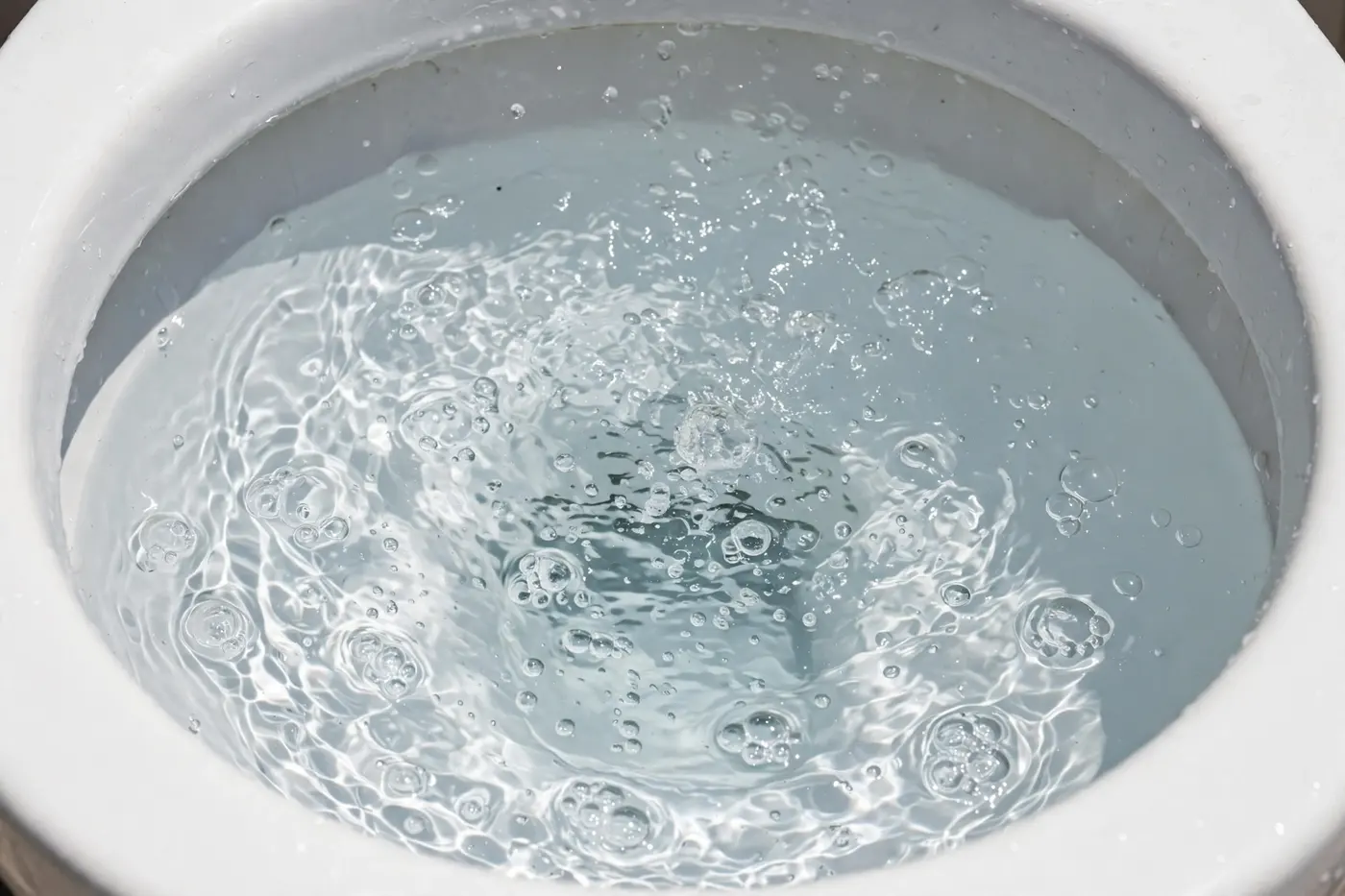
Problem: Air is being pushed or pulled through the toilet trap, which makes the bowl water gurgle, bubble, or jump.
Solution: Map which fixtures trigger the noise, then check for a drain blockage or blocked vent in that shared line.
When to call: If gurgling comes with slow drains, odor, or rising water, call for clogged toilet and drain help during open hours.
In this guide
A toilet should be quiet between flushes. When it gurgles on its own, bubbles while you shower, or makes a gulping sound as a sink drains, it is telling you about air in the drain system. Gurgling is rarely a fault inside the toilet itself. It is a symptom, a sound made when air that belongs in the vent pipes gets forced through water in the trap instead. Read the pattern well and you can tell whether the cause sits near this toilet, in a shared branch line, in the vent, or in the main drain leaving the home.
This guide shows you how to map the pattern with simple tests that need no tools. You will learn which fixture combinations point where, what you can safely check yourself, and which signs mean the line is closing down and needs prompt service. If noises already come with slow drains or odor, skip to the urgent signs and call our clogged toilet team during open hours.
How air and vents shape drain sounds
Every drain system handles two things at once: water going down and air moving to make room for it. Vent pipes rise from the drains through the roof. They let air in and out so water flows smoothly, and they keep the water seal in each trap at the right level. That seal matters. The curved trap under and inside each fixture holds water that blocks drain gases from entering the room.
When a drain line narrows with buildup or a vent blocks, air cannot move the normal way. Draining water from a tub or washer then pushes air ahead of it. The air takes the path it can find, which may be backward through your toilet trap. You hear that as a gurgle and see it as bubbles rising in the bowl. In other cases, fast-draining water pulls air and can lower trap water, letting odor slip through. Either way, the sound is information. The toilet is the messenger, not usually the cause.
Fountain Valley homes built in the 1960s and 1970s often drain through cast-iron lines that roughen with age. A rough line catches paper and grease, narrowing slowly over years. Gurgling that starts faint and grows louder over months fits that slow narrowing well. Newer remodels can have vent runs that were altered, and roof vents can collect leaves, debris, or nesting material. Both paths lead to the same sound, which is why pattern mapping comes before any fix.
Step 1: Map the gurgling pattern
Test one fixture at a time and note the response
Stand by the toilet while a helper runs one fixture at a time. First the bathroom sink, then the tub or shower, then a flush of any other toilet, then the washing machine if it drains nearby. Note which actions trigger bubbles, how strong they are, and whether the bowl water level moves. A trigger from only one small fixture points close by. Triggers from large flows, like the washer or tub, point to a shared or main line.
Also note timing. Gurgling while water drains is a push pattern, air forced back. Gurgling right after draining stops can be a pull pattern, air drawn in as flow ends. Write down drain speed too. Time how long the tub takes to empty. A tub that once drained fast and now lingers, paired with toilet bubbles, strengthens the case for a narrowing line. Keep your notes. A clear pattern map cuts diagnosis time during a service visit and helps the technician start in the right place.
Check the other bathroom if your home has one. If toilets in both bathrooms gurgle, the shared main line or a main vent is the likely zone. If only one bathroom is affected, the branch serving that room is the place to start. Homes in Green Valley, Westmont, and the central tracts often have two bathrooms sharing a main run, so this split test gives fast direction.
Step 2: Check for a drain blockage
Look for slow drains and test the toilet itself
Run each drain and watch its speed. Slow sink, tub, and toilet drains in the same bathroom suggest a branch blockage. Plunge the toilet gently if its own flush is weak, following the method in our clog guide. If plunging restores a strong flush and the gurgling stops, the blockage sat in or near the toilet trap. If the flush stays weak or other drains stay slow, the blockage sits farther down the line.
Do not pour chemical drain cleaners into gurgling fixtures. They rarely reach a deep partial blockage in strength, they can sit in trap water and splash during later work, and they do nothing for a vent blockage. Mechanical clearing and vent checks solve the causes behind gurgling. If you already used a chemical product, mention it when you call so the technician can take care around that fixture.
Think about what has entered the drains in recent weeks. Wipes, even ones sold as flushable, paper towels, grease from a kitchen line that joins the same main, and hair buildup near a branch can all narrow flow. In multi-unit and condo settings around Fountain Valley, a neighbor unit on the same stack can also affect your drains. Gurgling that appears at set times of day, such as morning shower hours, can point to shared-stack load. Share that timing when you call.
Step 3: Consider the vent pipe
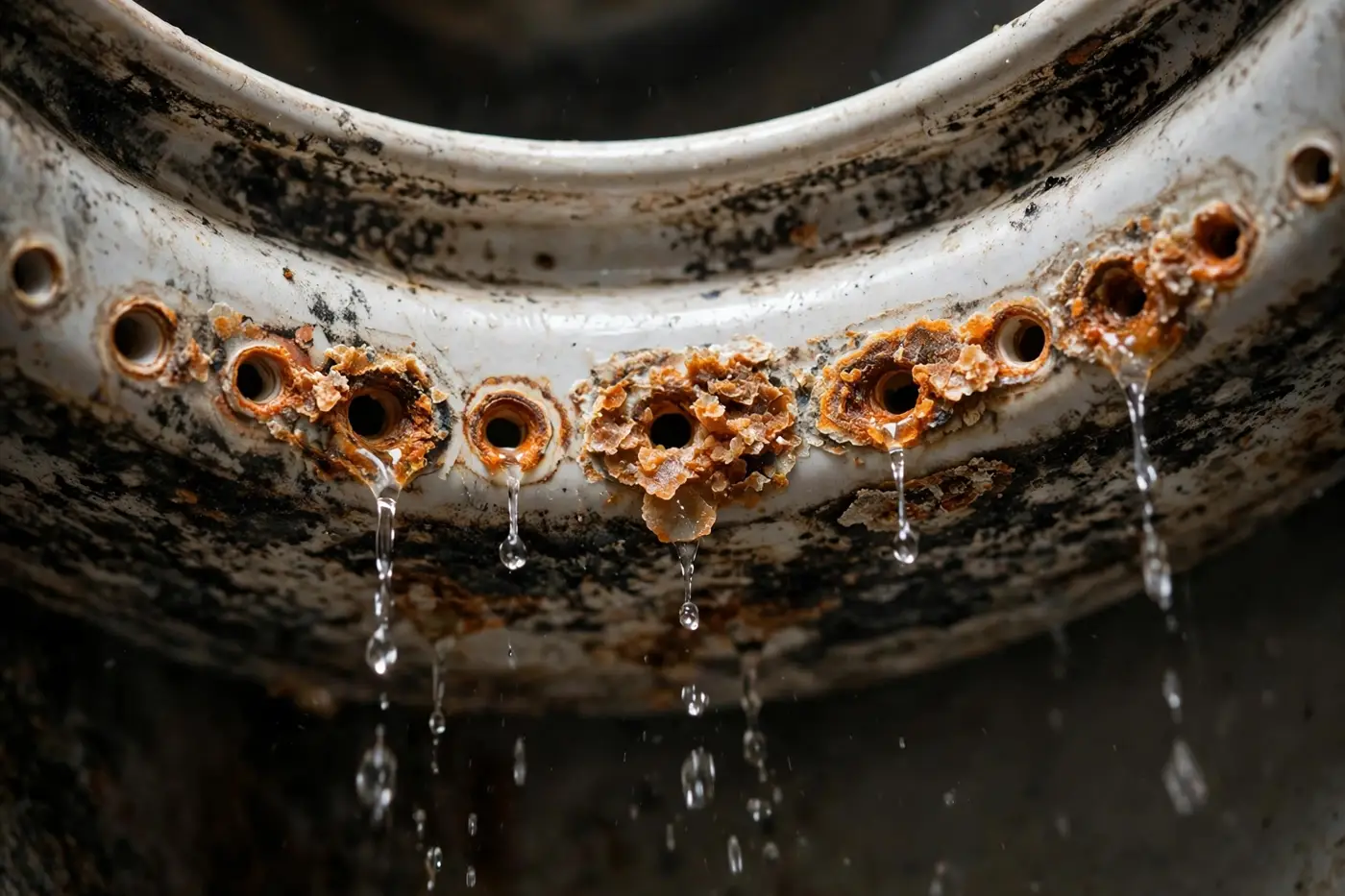
If drains run at normal speed yet the toilet still gurgles, turn your attention to the vent. A vent can block at the roof opening with leaves, debris, or nesting material. It can also narrow inside with scale and rust in older metal vent runs. A blocked vent starves the drains of air. Fixtures then pull air through traps, causing gurgling, slow bubbling, and sometimes a bowl water level that rocks or drops.
Homeowners can look from the ground. Use binoculars if you have them and check whether the vent cap or opening above that bathroom looks blocked or damaged. Do not climb on the roof for this check unless you are fully equipped and used to roof work. Roof vent clearing and any in-wall vent repair belong with a technician who has the ladders, safety gear, and drain tools to test airflow after clearing. After a vent is cleared, drains should run quietly and trap levels should hold steady, which the technician confirms by running the same fixtures that triggered the noise.
When only one toilet gurgles
Sometimes only the toilet itself is involved. A partial blockage inside the toilet trap, such as a small object or compacted paper, can make that toilet gurgle during its own flush while every other drain runs quietly. A closet auger through the trap, used gently, can clear that kind of blockage. Our clog guide covers auger steps. If the auger passes cleanly and the noise remains only on that toilet, a technician can check the toilet's internal passages and the short drain branch below the flange.
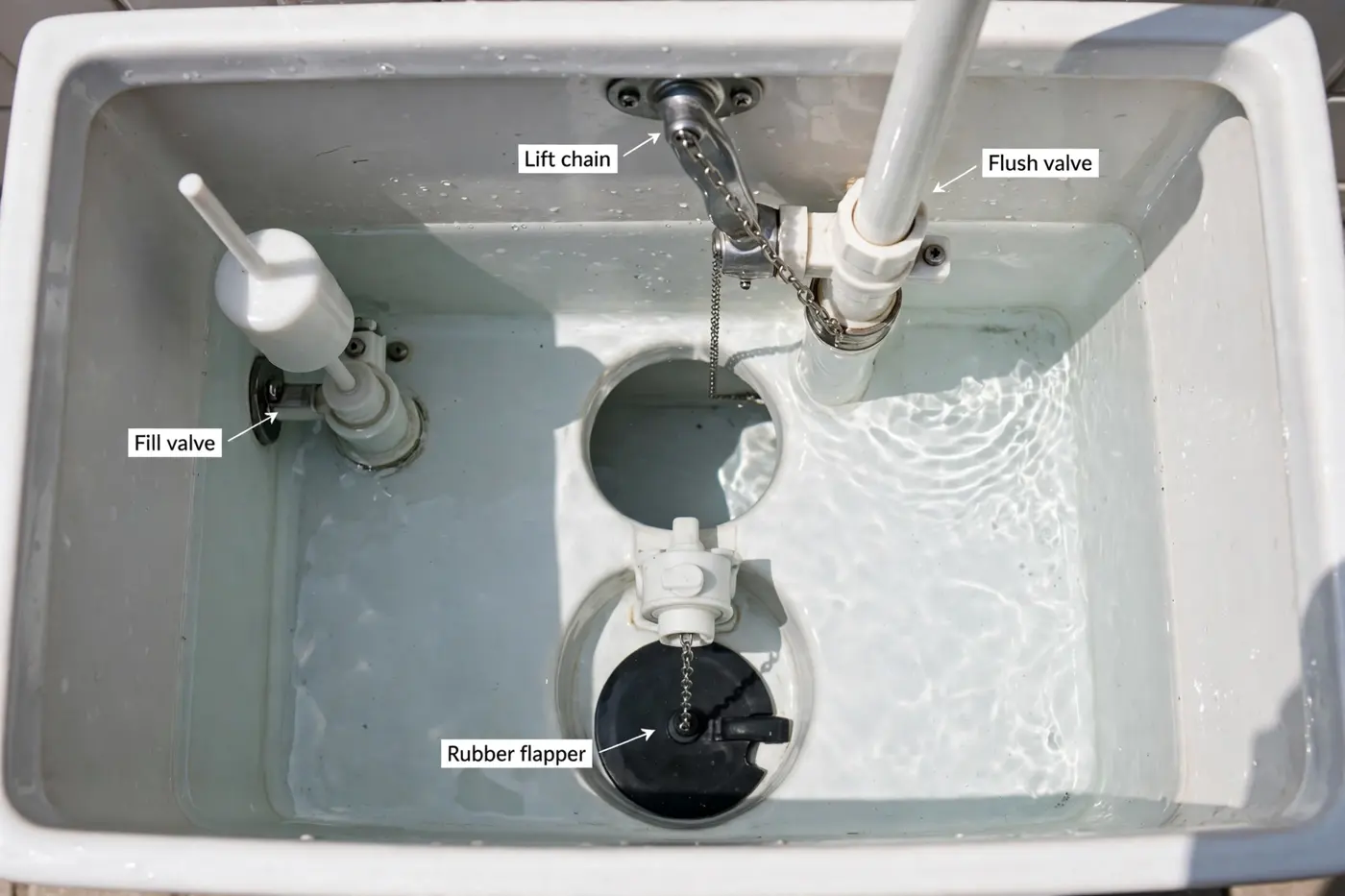
Rule out look-alike sounds too. A hissing or whistling tank is a fill valve matter, not gurgling. A toilet that refills in short bursts has a flapper leak. True gurgling comes from the bowl water itself, with visible bubbles or level movement. Watch the bowl while the sound occurs. If the bowl water is still while the tank makes noise, look at our running toilet repair page and valve page instead of the drain path.
Signs the problem is growing urgent
Call promptly during open hours when gurgling pairs with any of these signs. Bowl water rises during a shower or washer cycle. Drain odor enters the room, which means trap seals are failing. More than one fixture backs up. You see water at the toilet base, which can signal pressure forcing water past the wax ring, covered on our wax ring page. Or gurgling turns into a full backup with waste water in a tub or shower. At that stage, stop using that bathroom's fixtures until the line is checked, since each new flow has less room to go.
When you call Toilet Repair Pro, describe your pattern map: which fixtures trigger the noise, which drains run slowly, and when it started. The technician checks the pattern live, tests the line, and checks the vent path as needed. The scope is confirmed with you before any work starts. Confirm your street on our areas we serve page, and keep notes on any change in the sounds until the visit. A noise that is getting louder or more frequent is useful, honest information.
Keeping a simple noise log
If the gurgling is mild and drains still run at normal speed, keep a short log for a week before you call. Note the date, the time, which fixture was running, how long the noise lasted, and whether the bowl water moved. Note also any odor and any change in drain speed. Patterns jump out of a written log that memory blurs. Gurgling only on laundry day points one way. Gurgling every morning points another. Gurgling that grows louder week by week points to a line that is narrowing steadily.
Bring that log to the service call or read it over the phone. It helps the technician plan which tests to run first and which equipment to have on hand. If the log shows the noise vanishing for days at a time, say so honestly. Intermittent gurgling can follow guest visits, heavy laundry loads, or a vent that blocks only when debris shifts. Honest detail, including the quiet days, leads to a sound diagnosis rather than work based on a guess.
Frequently asked questions
Why does my toilet gurgle when the shower or sink drains?
Fixtures that share a drain and vent line affect each other. When shower water pushes down a partly blocked or poorly vented line, air is forced back through the toilet trap and bubbles up in the bowl. The pattern points to the shared line or vent, not to the toilet itself.
Is a gurgling toilet safe to keep using?
Light, rare gurgling with normal draining is a warning sign to watch, not a reason to panic. Gurgling with slow drains, rising bowl water, or drain odor means the line is closing down. Stop heavy use of that bathroom and call, since a full blockage can follow and push waste water into low fixtures.
Can a blocked vent pipe cause toilet gurgling?
Yes. Vent pipes let air move so drains flow smoothly and trap water stays in place. A vent blocked by debris, a nest, or scale forces air through fixture traps instead, which you hear as gurgling and see as bubbling. Clearing a roof vent is work for a technician with the right access and tools.
Why does my toilet bubble when the washing machine drains?
A washer pumps a large volume of water at once. If the main drain line is partly blocked, that surge cannot pass freely, and air and water push back toward the toilet. Bubbling timed with the washer cycle is a classic sign of a main line that needs a drain check.
What will a technician check first for a gurgling toilet?
The technician checks which fixtures trigger the noise, how fast each drain runs, and whether more than one bathroom is affected. That pattern separates a single-toilet trap issue from a branch blockage, a vent blockage, or a main line problem. The scope is confirmed with you before any work starts.
Also read
Read next our guide on fixing a clog yourself or calling for help and our guide to what to do when a toilet overflows. For service, see clogged toilet repair and browse all areas we serve.